Download Now
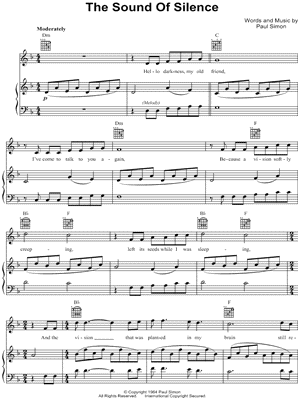
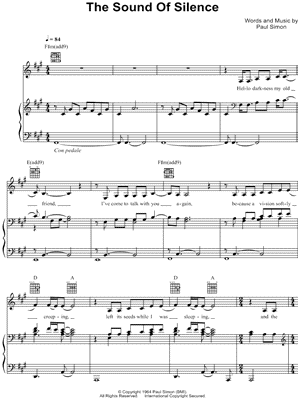
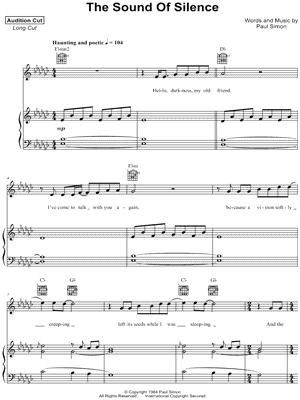
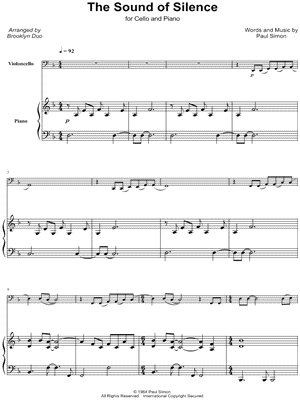
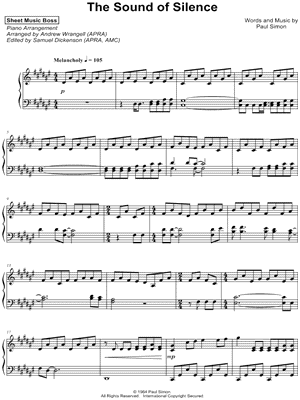
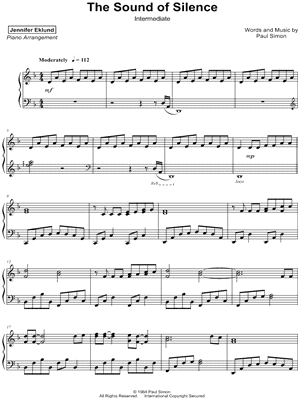
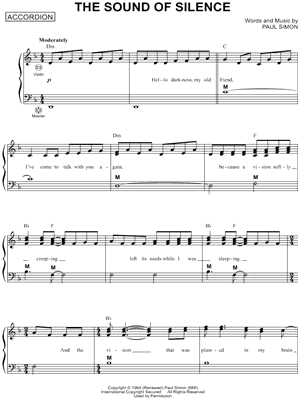
Musicnotes offers “The Sound of Silence” sheet music in its original key of D minor, along with several modern transpositions. Musicians can use our interactive tools to adjust the key to fit their vocal range or performance needs.
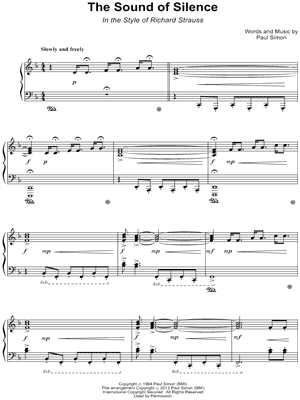
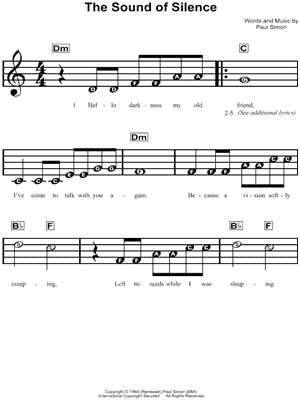
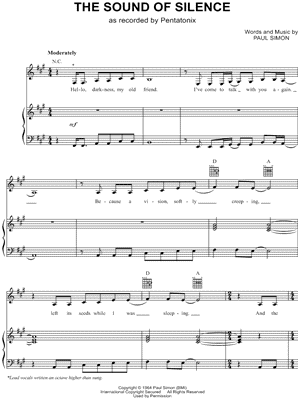
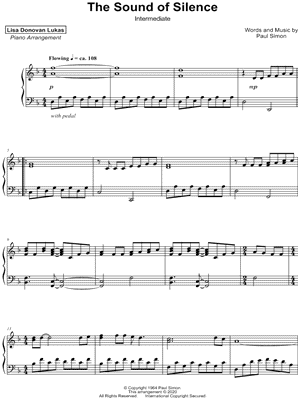
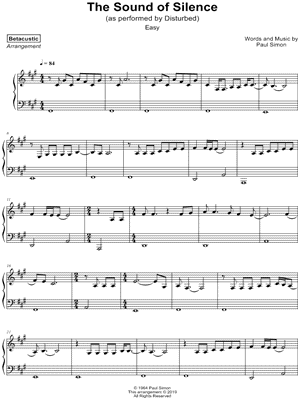
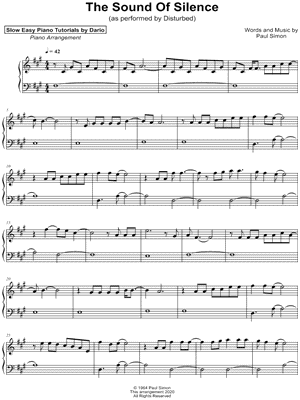
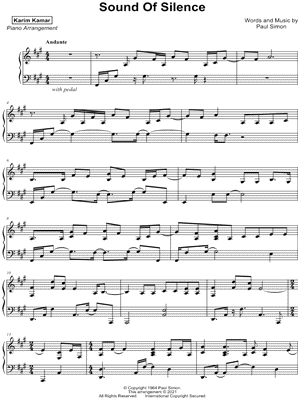
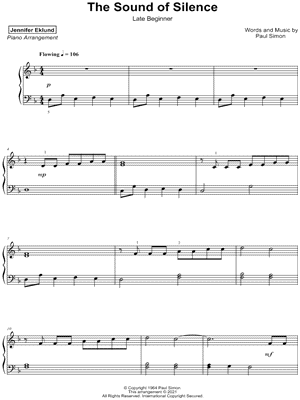
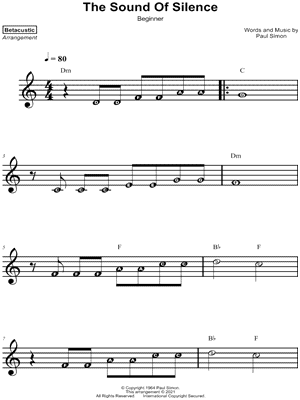
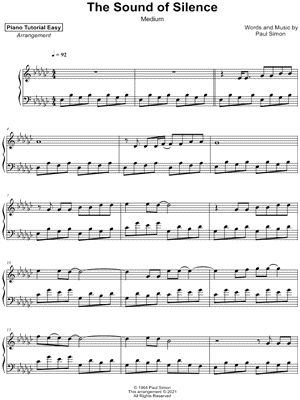
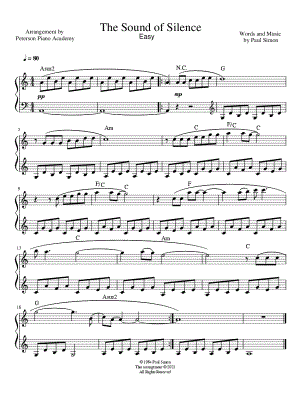
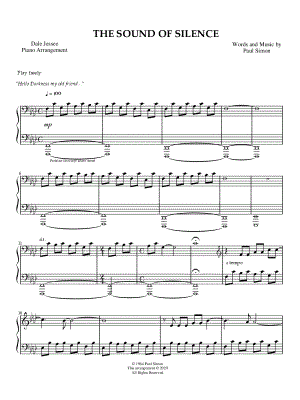
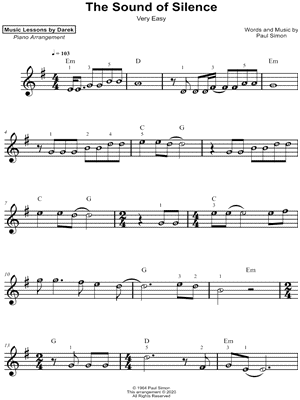
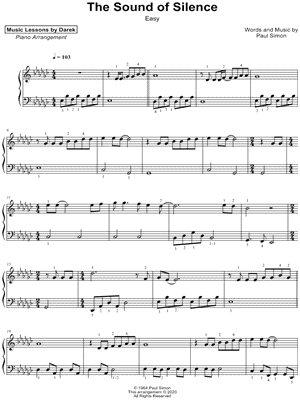
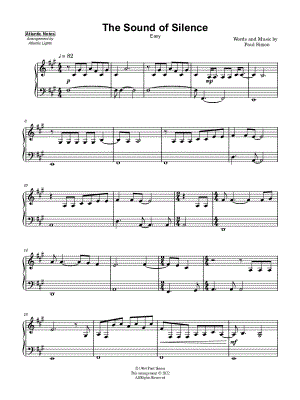
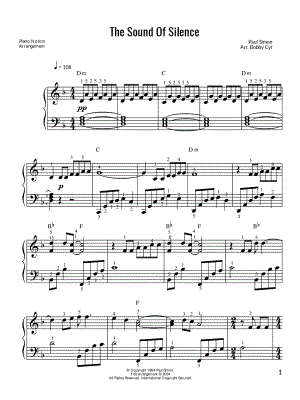
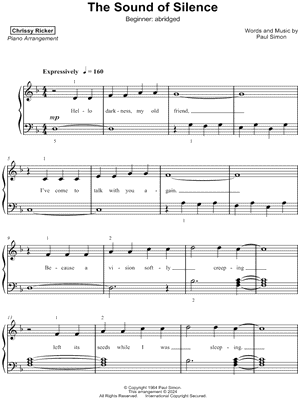
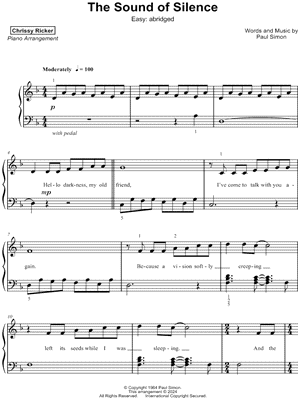
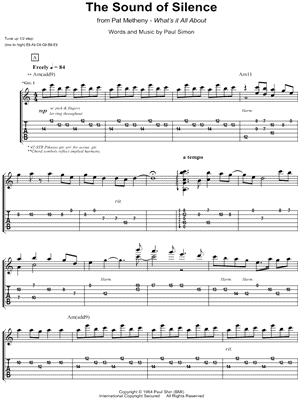
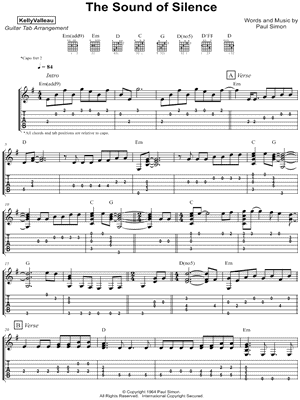
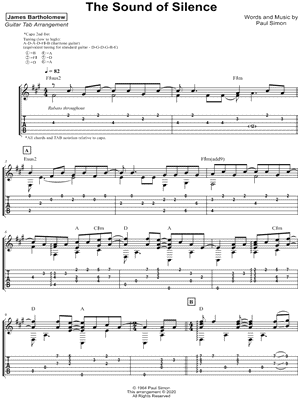
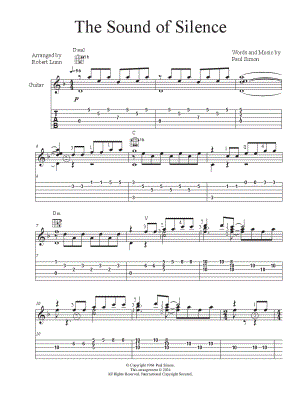
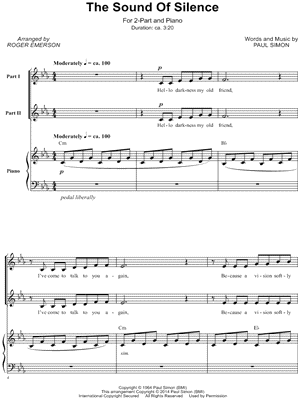
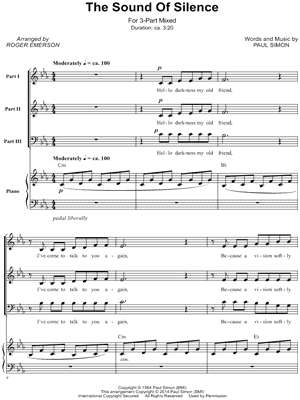
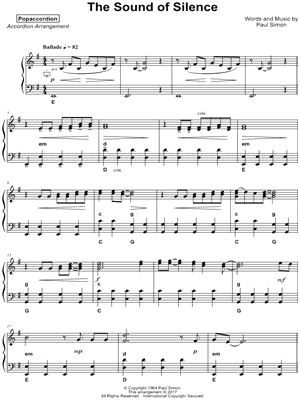
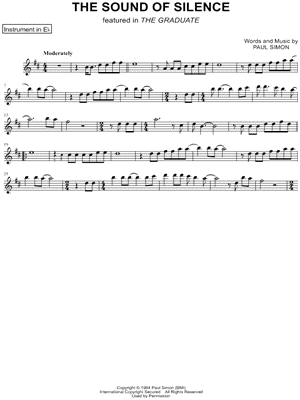
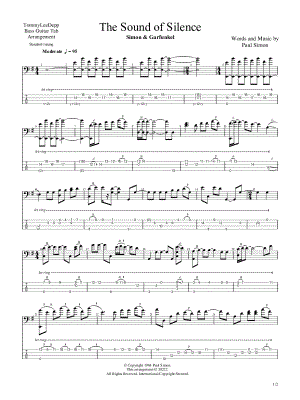
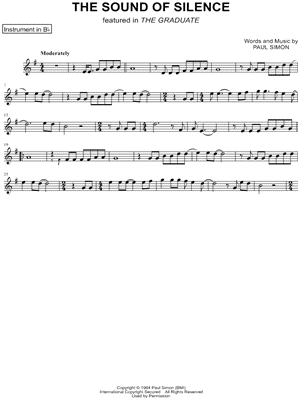
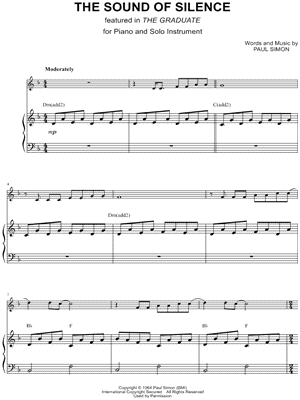
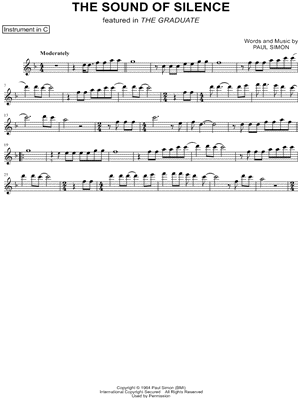
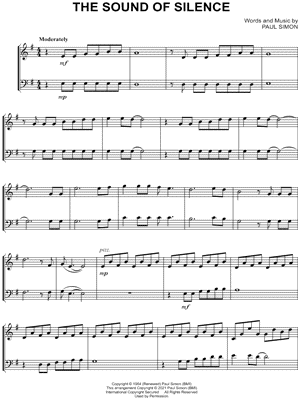
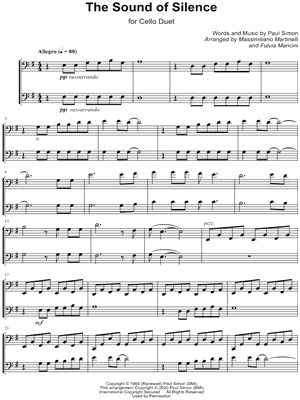
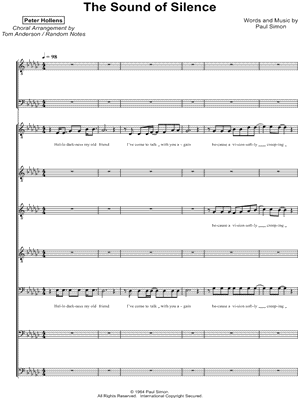
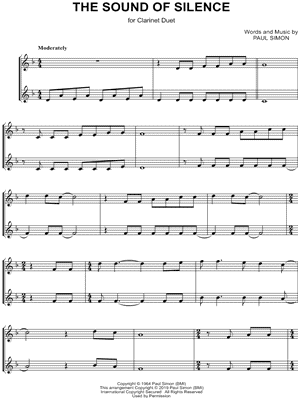
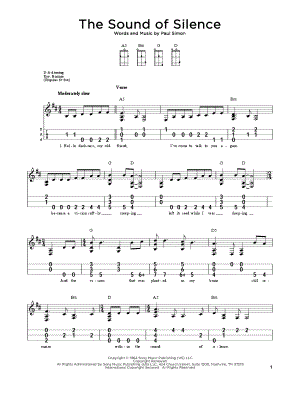
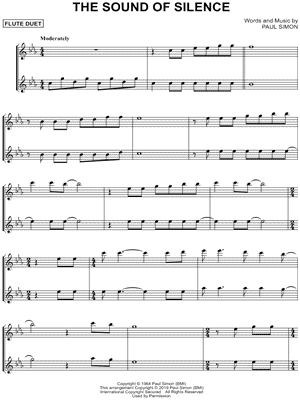
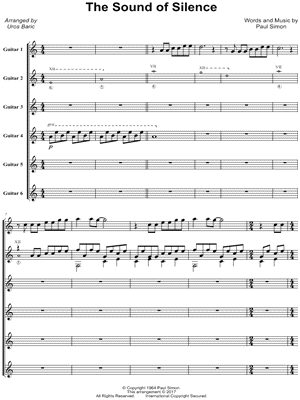
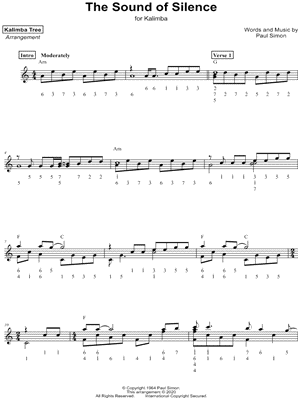
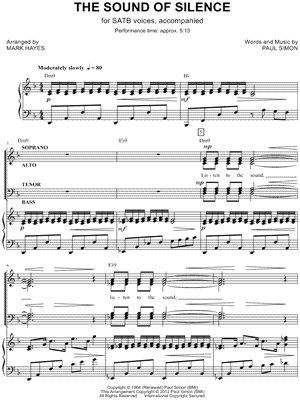
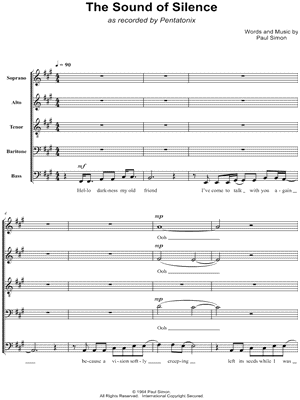
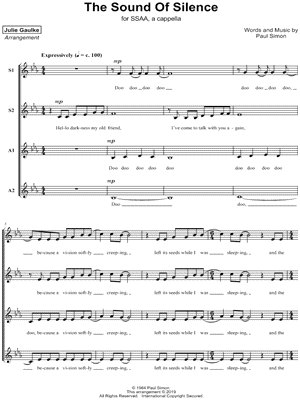
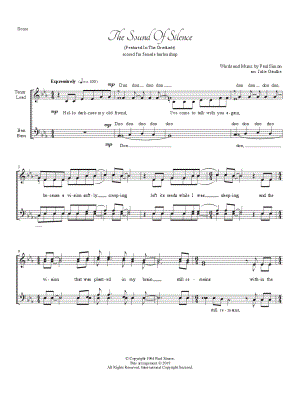
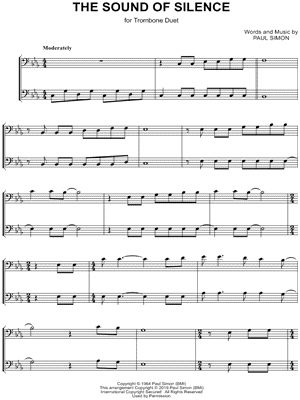
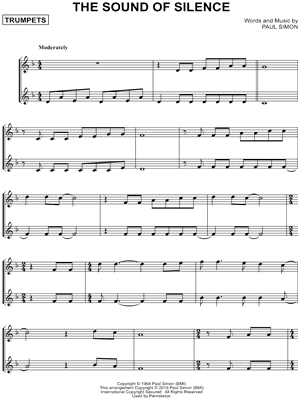
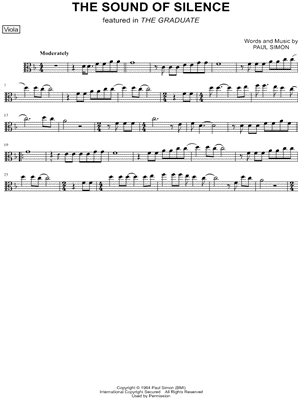
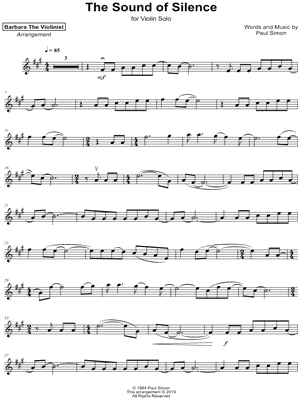
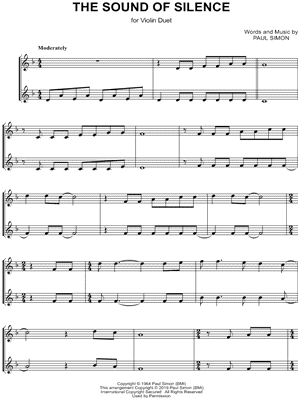
At Musicnotes, we offer this popular song in interactive digital formats (including optional high-res PDF downloads) suited for soloists, guitarists, pianists, full ensembles, and other instrumentalists. You can choose from 108 different “The Sound of Silence” sheet music arrangements, depending on your vocal range or instrument. Explore options for:
The song delves into the themes of post-adolescent angst, emotional and social alienation from others, failed communication, and the struggle to truly connect in a changing world. Paul Simon uses imagery of darkness, silence, and echoes to capture how individuals can live side by side yet remain profoundly isolated from one another in all the ways that matter. The lyrics hint at a world where true human connection is slowly being replaced by shallow exchanges and noise, leaving people feeling unseen and unheard.
Paul Simon wrote the song in 1963, and Simon & Garfunkel first recorded it as an acoustic folk tune in 1964. The track later gained widespread fame when producer Tom Wilson discreetly remixed the single a year later. To capitalize on the song’s success, Columbia Records re-released it in 1965 with added electric instrumentation, making it a #1 hit on the Billboard Hot 100.
Fun fact: Simon & Garfunkel didn’t even know about the remix until after it was released as a single!
The re-recorded version of “The Sound of Silence” is set at a slow, reflective tempo of about 108 beats per minute (BPM), with a folk-ballad-turned-electric style emphasizing lyrical delivery and subtle dynamics. Overall, the song has a somber, melancholy, and introspective feel that reaches to the deepest corners of the human soul.
Contemplating the world around him, Paul Simon turned out the lights in his childhood home’s acoustic-filled bathroom and penned the pensive lyrics to what would later become a globally resonant anthem. According to his partner, “Art” Garfunkel, the song represents the inability of people to communicate with each other, especially emotionally, which ultimately impairs their ability to love each other well.
Its haunting, somewhat eerie undertones embody Simon’s frustration and fascination with the emotional suppression so often imposed by society’s indifference.
The song is primarily written in 4/4, maintaining a steady, flowing rhythm and contemplative mood throughout.
Yes. Musicnotes offers plenty of beginner-friendly Simon & Garfunkel sheet music arranged with simplified notation and accessible keys. More advanced musicians can explore full Piano/Vocal/Guitar or choir scores to find the arrangement that best suits their skill level and performance style.
In its original Simon & Garfunkel arrangement, the vocal melody spans from C♯3 to F♯4, making it well-suited for baritone to mid-range voices. Transposable versions are readily available at Musicnotes to accommodate different vocal ranges.
The piece should be performed with sensitivity and restraint, as its melody and messaging reflect the author’s heavy contemplation of life’s darker moments. When you play, imagine that you’re inviting listeners to embrace their hard-to-feel emotions in a deeply cathartic and safe way.
Focus on expressive phrasing, dynamic contrast, and lyrical clarity that evokes a sense of sadness and stillness. Let every note be a reminder of just how spiritually healing music can be.
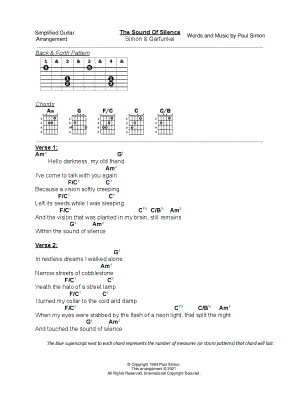
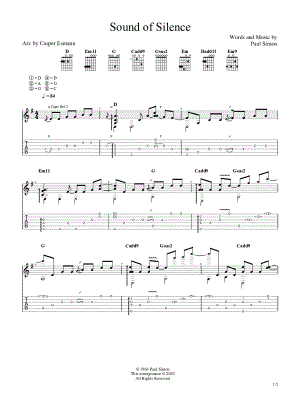
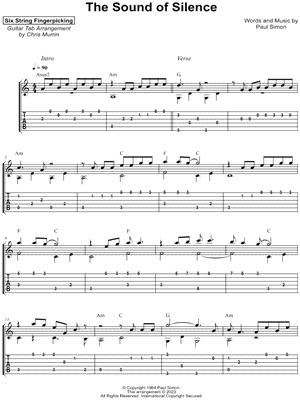
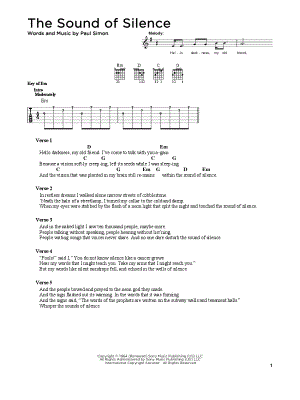
Yes. Several arrangements include full chord symbols and lead sheets, making it easy for guitarists (and even ukulele players) to accompany singers or play in ensemble settings.
Ready to take your music anywhere? Just scan and install from QR code to get the Musicnotes app now! It lets you play, practice, and perform with ease. Hear your part, slow down tricky sections, change keys, mark it up, and turn pages hands‑free.